Why Genuine Toyota Parts Matter
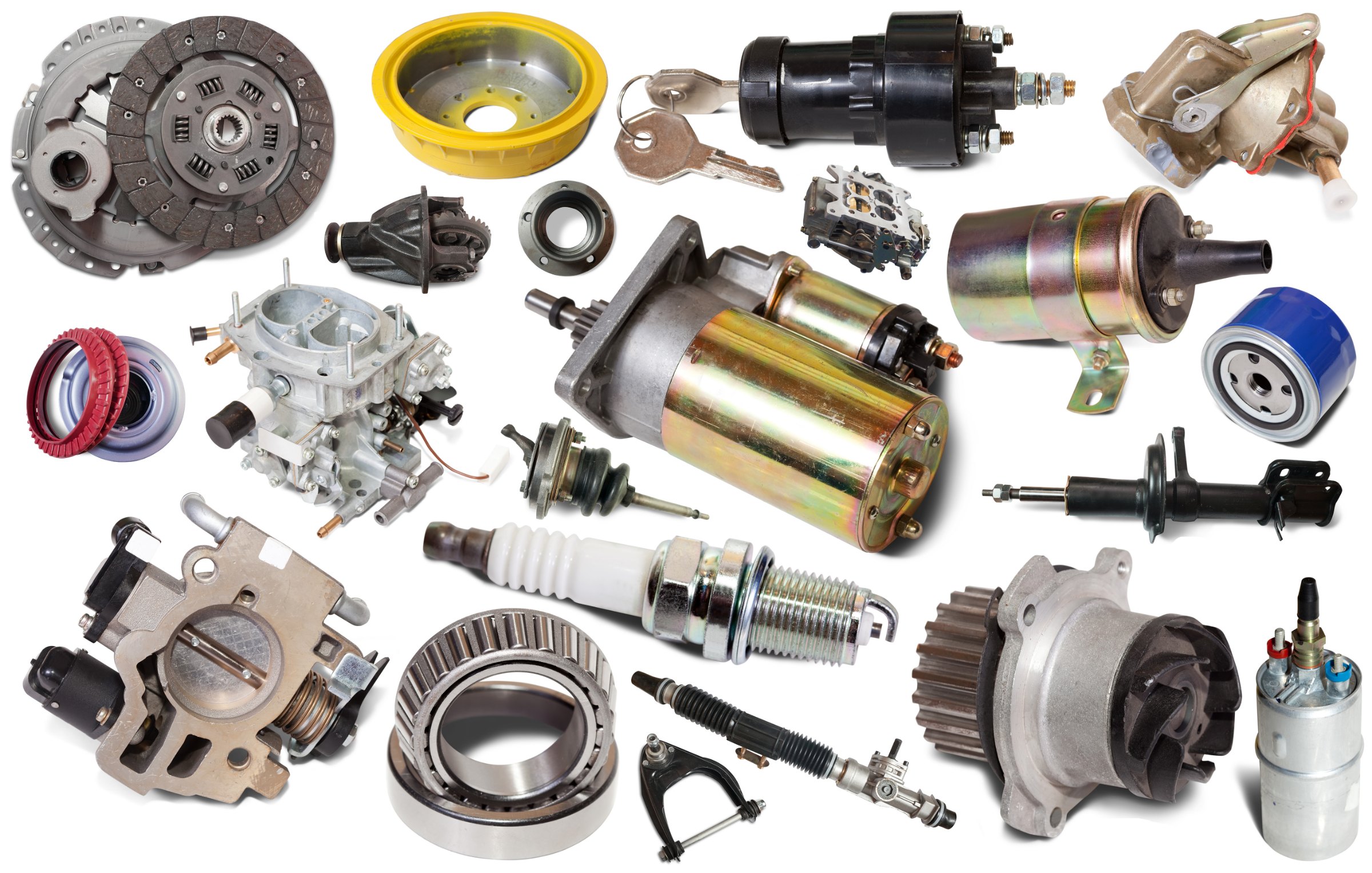
1. What "Genuine" Actually Means
Toyota Genuine Parts are the parts Toyota designs and sources for its own vehicles, the same family of components your car or truck was built with. They come in Toyota packaging with Toyota part numbers. Aftermarket parts, by contrast, are made by other companies to fit a range of vehicles, and their quality runs from excellent to poor.
That range is the real issue. A good aftermarket brand can be fine for some jobs, but you often can't tell from the box which kind you're getting. With Toyota Genuine Parts, the questions of who designed the part and what it was tested against already have answers.
You'll also hear the term OEM, short for original equipment manufacturer. Sometimes it describes a supplier that builds parts for Toyota and also sells similar parts under its own brand. Those can be close, but they aren't always identical to what's in a Toyota box, because Toyota sets the final standard and may revise a part over a model's life.
2. Built to Fit Your Exact Toyota
Fit sounds like a small thing until a part doesn't quite line up. A genuine part is made for a specific model, and often a specific build, so mounting points, connectors and clearances match what's already on your vehicle. That matters for everything from a splash shield to a sensor plug.
Universal or multi-fit parts are designed to cover several vehicles at once, which means a compromise somewhere. Common signs of a poor fit include:
- Rattles or wind noise from trim that doesn't sit flush
- Uneven gaps around a replacement bumper, hood or headlight
- Clips and fasteners that need forcing, then break later
- Electrical connectors that need adapters to plug in
None of those is dramatic on day one. They're the kind of small annoyances that show up months later, and fixing them usually means paying for the same labor twice. A technician working with parts matched to your VIN spends the time on the repair, not on making a part work.
3. Safety Systems Depend on Precision
Most late-model Toyotas use Toyota Safety Sense, which relies on a camera behind the windshield and a radar sensor, often behind the front emblem or grille area. Those systems were set up around the factory glass, covers and mounting brackets. Change one of those pieces, and the system's view of the road can change too.
A windshield is the clearest example. The camera looks through a specific area of the glass, and optical clarity, thickness and bracket position all affect what it sees. An aftermarket windshield may look perfect to you and still cause trouble for features like lane departure alert or pre-collision braking.
Calibration is part of the job
After glass, bumper or sensor work, these systems typically need calibration so they aim correctly. Genuine parts make that process predictable, since Toyota wrote the procedure around them. If a warning light appears or a feature behaves differently after this kind of work, book a service visit and have it checked before you rely on it.
4. Everyday Wear Items Count Too
It's easy to assume genuine parts only matter for big repairs. In reality, the items you replace most often are where the differences quietly add up, because you buy them so many times over the life of the vehicle.
- Oil filters: Toyota filters are matched to the engine's oil flow and include internal valves that help keep oil where it belongs at startup.
- Brake pads: Friction material affects stopping feel, noise, dust and rotor wear. Genuine pads are tuned to your brake system rather than a broad group of vehicles.
- Air and cabin filters: A filter that seals poorly lets dirt slip around it, which defeats the purpose.
- Fluids: Toyota specifies particular coolant, transmission and hybrid system fluids. The wrong type can cause problems that don't show up right away.
A cheaper filter or pad set might save a little today. Over years of oil changes and brake jobs, consistent quality is what keeps the engine clean and the brakes feeling the way they did when the vehicle was new.
5. Warranty Coverage and Your Rights
Here's something many drivers get wrong: using aftermarket parts doesn't automatically void your new-vehicle warranty. Under the federal Magnuson-Moss Warranty Act, a manufacturer generally can't deny coverage just because you used a non-Toyota part or had work done elsewhere. What it can do is decline to cover damage that the aftermarket part caused.
That's where things get messy. If a non-genuine part fails and harms something else, you may end up in a dispute over the cause, with your repair bill on the line. Genuine parts take that argument off the table.
Toyota Genuine Parts also carry their own parts warranty, and when a Toyota dealer installs them, that coverage typically includes labor. Terms vary by part and by who did the installation, so ask for the details at the counter. Keep your receipts either way, because a clean service history showing the right parts and fluids helps with warranty questions and again when it's time to sell.
6. Collision Repairs and Your Insurance
After an accident, the parts decision often lands on the insurance company's desk, not yours. Many policies allow repairs with aftermarket or used crash parts, especially on older vehicles, because they cost the insurer less. Your adjuster's estimate will usually show which kind is planned, sometimes with abbreviations that are easy to miss.
You have more say than you might think. Some states have disclosure rules for non-original crash parts, and some insurers offer a policy endorsement that pays for original parts. Read the estimate line by line and request genuine parts where they matter.
Parts worth asking about
- Bumper covers and reinforcements, especially near radar sensors
- Headlights and taillights
- Hoods, fenders and doors, where fit affects gaps and corrosion protection
- Windshields on vehicles with a forward camera
If the insurer won't cover the difference, paying it yourself can still be worthwhile for a safety-related part. Want a second opinion on what a written estimate actually includes? Reach out to our team and we'll walk through it with you.
7. Expert Tip: Confirm What's Going In
Your best protection is simple: know what you're paying for. Genuine parts come in Toyota-branded packaging with a Toyota part number, and that number should appear on your repair invoice. If an invoice shows only a vague description like "brake pads" or "filter," ask what brand was used.
A few habits make this easy:
- Ask for a quote that names the part source before work begins
- Request your old parts back if you want to see what came off
- Give your VIN when ordering, so the part matches your exact build
- Buy from an authorized Toyota dealer rather than an unknown online seller
Counterfeits are the hidden risk. Fake filters and brake components can look convincing in photos and still be made from poor materials. If a price seems far below what a dealer charges, treat it with suspicion.
You can order through the Toyota of Massapequa parts department and have the right part confirmed by VIN, then install it yourself or let our technicians handle it.
Seaford, NY
- Genuine parts are designed for your specific Toyota, which prevents fit problems and repeat labor.
- Windshields, bumpers and sensors on driver-assist systems need precise parts and proper calibration.
- Check that your invoice shows Toyota part numbers, and buy from an authorized dealer to avoid counterfeits.
|
FAQ
Common questionsAre genuine Toyota parts always more expensive than aftermarket?Not always. Genuine parts often cost more upfront for larger components, but on common maintenance items the gap can be smaller than people expect. When you factor in fit, longevity and avoiding repeat labor, they frequently come out ahead over the life of the vehicle.
Can I buy genuine parts and install them myself?Yes. Anyone can buy Toyota Genuine Parts from a dealer parts counter. The part itself is still covered by Toyota's parts warranty, though labor coverage generally applies only when a dealer does the installation, so ask about the terms for your specific part.
Is it worth using genuine parts on an older, high-mileage Toyota?For safety items like brakes, steering components and lighting, yes. On an older vehicle, a good-quality alternative may make sense for some cosmetic or low-stakes parts, but parts that affect how the vehicle stops, steers or protects you deserve the right fit regardless of age.
Do genuine parts and service records help when I sell or trade in?A documented history of proper maintenance gives a buyer confidence in how the vehicle was cared for. Toyota of Massapequa offers free vehicle appraisals, and the dealership will buy your vehicle even if you don't buy one from them, so it's easy to find out where you stand.
Do hybrid Toyotas need special parts?Hybrids share many routine parts with gas models, but they also use specific components and fluids for the hybrid system, cooling and braking. Using the exact parts and fluids Toyota calls for is especially important here, so give your VIN when ordering to make sure everything matches your build.
|
|
Want to see it in person?
Come by for a test drive, or browse what is on the lot right now.
Or call (516) 324-4674 · 3660 Sunrise Hwy, Seaford
|