Autumn Driving Hazards
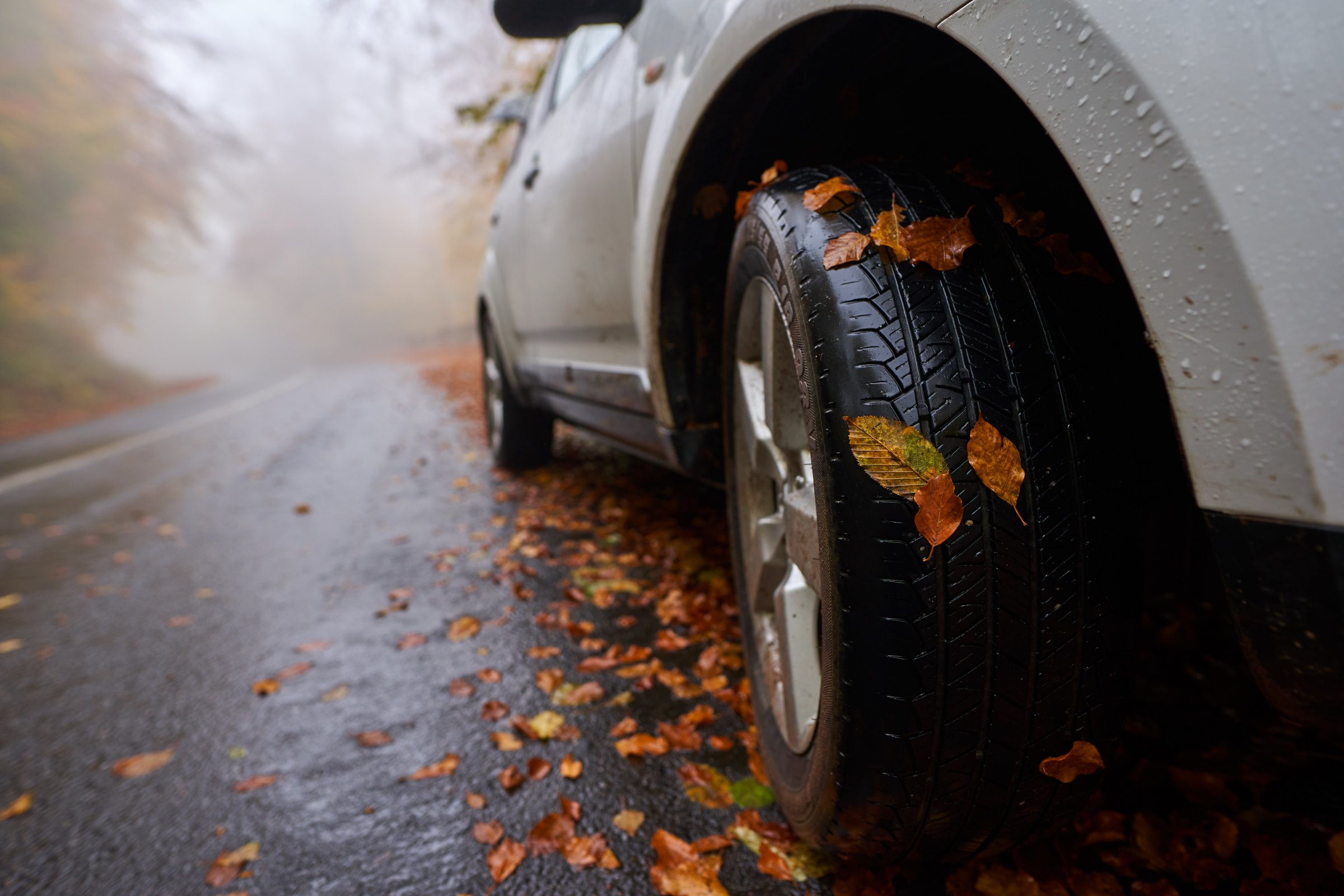
It's a gray October morning on Merrick Road. The light turns green, the car ahead stops short, and when you press the brake you feel the tires skate on a layer of wet leaves that wasn't there yesterday. Fall on Long Island is beautiful, but it changes the road faster than most of us adjust. This step-by-step guide from Toyota of Massapequa in Seaford starts with simple car prep and builds to the driving technique that keeps you calm when grip suddenly disappears.
- Step 1: Start With Clear Glass and Bright Lights
- Step 2: Give Your Tires a Real Check
- Step 3: Plan for Glare and Earlier Darkness
- Step 4: Treat Wet Leaves Like Ice
- Step 5: Expect Deer, School Buses and Kids
- Step 6: Get Ready for Fog, Frost and the First Freeze
- Step 7: The Expert Tip, One Input at a Time
- Key takeaways
Step 1: Start With Clear Glass and Bright Lights
Fall cuts your daylight at both ends, so seeing and being seen comes first. Before you think about technique, look at your car on a dull afternoon the way another driver would.
- Clean the inside of the windshield. A summer's worth of film turns into blinding haze when low sun or oncoming headlights hit it.
- Walk around with the lights on: low beams, high beams, brake lights and turn signals. A burned-out bulb is easy to miss from the driver's seat.
- Look at the headlight lenses. Yellowed, cloudy plastic scatters light instead of throwing it down the road, and a restoration kit or new lenses fix it.
- Lift the wipers and run a finger along the rubber. Cracks, stiffness or streaking mean it's time for a new pair before the November rains.
New York requires your headlights to be on whenever you're using your wipers because of the weather. Make lights with wipers a habit so you aren't remembering it halfway down Sunrise Highway. If you'd rather not hunt for the right blades or bulbs yourself, our parts department can match them to your car.
Step 2: Give Your Tires a Real Check
Your tires are the only part of the car touching those wet leaves, so they decide how much grip you actually have. Two quick checks cover most of it.
Tread depth
Put a penny into the shallowest groove with Lincoln's head pointing down. If you can see the top of his head, the tread is too worn to push away water and leaf mush, and you'll need much more room to stop on a wet road. Check the inside edge of the tire too, because wear often hides there.
Pressure
Air contracts as it cools, so tires that were fine in August can be noticeably low by the first chilly week. Check them in the morning before you drive, and fill to the number on the sticker inside the driver's door jamb, not the maximum printed on the sidewall. If the low-pressure light comes on during a cold snap and goes off by afternoon, it's telling you the same thing.
Uneven wear or a car that pulls to one side points to alignment. Our Toyota-trained technicians with thousands of hours of Toyota training, using Genuine Toyota parts, can look at tires, brakes and alignment in one visit when you book service before the season turns.
Step 3: Plan for Glare and Earlier Darkness
Fall changes your commute in two ways: the sun sits lower, and it sets sooner. Clocks fall back on the first Sunday in November, so a drive home that was in daylight on Friday happens in the dark on Monday.
Low sun is worst on roads that run east to west, and that describes much of the South Shore, including Sunrise Highway, Merrick Road and the Southern State. Heading west in the late afternoon, glare can wash out traffic signals and the brake lights in front of you.
- Keep polarized sunglasses in the car, not in the house.
- Swing the visor to the side window when the sun is over your shoulder.
- Drop back from the car ahead so you have time to react if you lose sight of it for a moment.
- If your schedule allows, leave 15 minutes earlier or later to miss the worst angle.
After dark, dim the dashboard screen so your eyes stay adjusted to the road. Pedestrians in dark coats are far harder to spot on a November evening than they were at the same hour in September, so slow down near crosswalks and bus stops.
Step 4: Treat Wet Leaves Like Ice
This hazard surprises people more than any other. A layer of wet leaves can be as slick as ice, and the oils they release can leave the pavement slippery even after the pile is gone.
Leaves also hide things. Lane lines, crosswalk markings, potholes and storm drains disappear under a carpet of orange, so you lose cues you normally rely on without thinking.
- Slow down before you reach a leaf-covered stretch, not while you're on it.
- Brake gently and early for stop signs on tree-lined side streets.
- Double your usual following distance on wet, leafy roads.
- Take curves under heavy tree cover at a pace that won't need any braking mid-turn.
Two more leaf rules matter in a neighborhood. Never drive through or park on a raked pile. Kids love to jump in them, and a hot exhaust system sitting over dry leaves can start a fire. Piles at the curb also narrow the road and push cyclists and walkers into your lane, so give them extra room.
Step 5: Expect Deer, School Buses and Kids
Fall is mating season for deer, and they're most active around dawn and dusk, which now lines up with rush hour. Parkways bordered by woods and the edges of preserves and golf courses are where they tend to cross.
When you see a deer
Slow down and expect more, because they usually travel in groups. On empty roads, high beams help you catch eye-shine early, and a long blast of the horn can push a deer to move. If one steps out and you can't stop, brake hard and stay in your lane. Swerving is how a deer strike turns into a crash with a tree or an oncoming car.
School bus season
Buses are back on the road, and kids are walking to stops in half-light. In New York you must stop for a school bus with its red lights flashing, whether you're behind it or coming toward it, even on a divided highway. Leave extra room around bus stops in the morning, because a child running late rarely looks both ways.
Step 6: Get Ready for Fog, Frost and the First Freeze
Late fall mornings near the water can bring fog, and the first frost shows up on windshields soon after. Both cut visibility, and frost adds slick spots you won't see coming.
In fog, use your low beams, plus fog lights if you have them. High beams bounce off the moisture and make it worse. Drive at a speed that lets you stop within the distance you can actually see, and follow the right edge line rather than the taillights ahead.
Bridges and overpasses freeze before the road around them because cold air reaches them from above and below. Shaded spots under trees and along the north side of buildings hold frost long after the sun has dried everything else. On a cold, clear morning, treat those places as already icy.
Give yourself time to clear the car completely, including the roof, mirrors and rear window. Run the defroster on fresh air with the A/C on, because dry air clears fog on the inside of the glass faster than heat alone. Scraping a small peephole and driving off is how people miss the car pulling out beside them.
Step 7: The Expert Tip, One Input at a Time
Once the car is ready and you know where the hazards are, smoothness ties everything together. Think of grip as a budget. Braking spends some of it and steering spends some, and on wet leaves or frost there's very little to go around. Asking for both at once is what sends a car sliding.
Brake, then turn
Do your slowing in a straight line before the curve or the leafy patch, ease off the brake, then steer. If you have to brake mid-turn, squeeze the pedal rather than stabbing it. Keep your eyes on where you want the car to go, not on the thing you're afraid of hitting, because your hands follow your eyes.
Know what ABS feels like
Antilock brakes pulse and buzz through the pedal when they're working, and many drivers lift off in surprise at exactly the wrong moment. If you've never felt it, find an empty, wet parking lot where you have permission and brake firmly from a low speed so the sensation becomes familiar. In a real emergency, press hard and hold while you steer around the problem. Practice it once, and the first slick morning of the season will feel far less scary.
Seaford, NY
- Prep the car first: clear glass, working lights and wipers, and tires with real tread and correct pressure.
- Treat wet leaves, bridges and shaded morning curves like ice, and leave more room than feels necessary.
- Use smooth, separate inputs (brake, then steer) to keep the car settled when grip drops.
|
FAQ
Common questionsAre wet leaves really as slippery as ice?They can be close. A thick, wet layer separates your tires from the pavement, and the oils from decaying leaves keep the surface slick. Slow down before you reach them, brake early and gently, and avoid sudden steering.
Should I switch to winter tires in the fall?Many South Shore drivers get through with healthy all-season tires. Winter tires make sense if you leave early on untreated roads, drive out east often, or want more grip on frost and snow. If you switch, do it once daytime temperatures stay cold, not after the first storm.
Why does my tire pressure light come on during cold mornings?Cold air takes up less space, so pressure drops overnight. Check and fill your tires to the pressure on the door-jamb sticker while they're cold. If the light keeps coming back after you fill them, have the tire checked for a slow leak.
What should I do if I hit a deer?Pull over somewhere safe, turn on your hazards, and stay away from the animal. Call the police if the deer is in the road, anyone is hurt, or the car is damaged. Before driving on, check for leaking fluids, broken lights and anything rubbing a tire.
When is the best time to get my car checked for fall?Early fall is ideal, before the time change and the first frost. A visit to Toyota of Massapequa can cover tires, brakes, wipers, lights and battery in one stop, so you start the darker months with the basics handled.
|
|
Want to see it in person?
Come by for a test drive, or browse what is on the lot right now.
Or call (516) 324-4674 · 3660 Sunrise Hwy, Seaford
|